AI & infrastructure
The internet is shifting from human-centric to agent-centric. Is your infrastructure ready?
August 23, 2026 · BytePresence
Autonomous agents will not click, wait, or look at ads. They will hit your APIs at machine speed. The businesses that govern that traffic will keep running. The rest will drown in it.

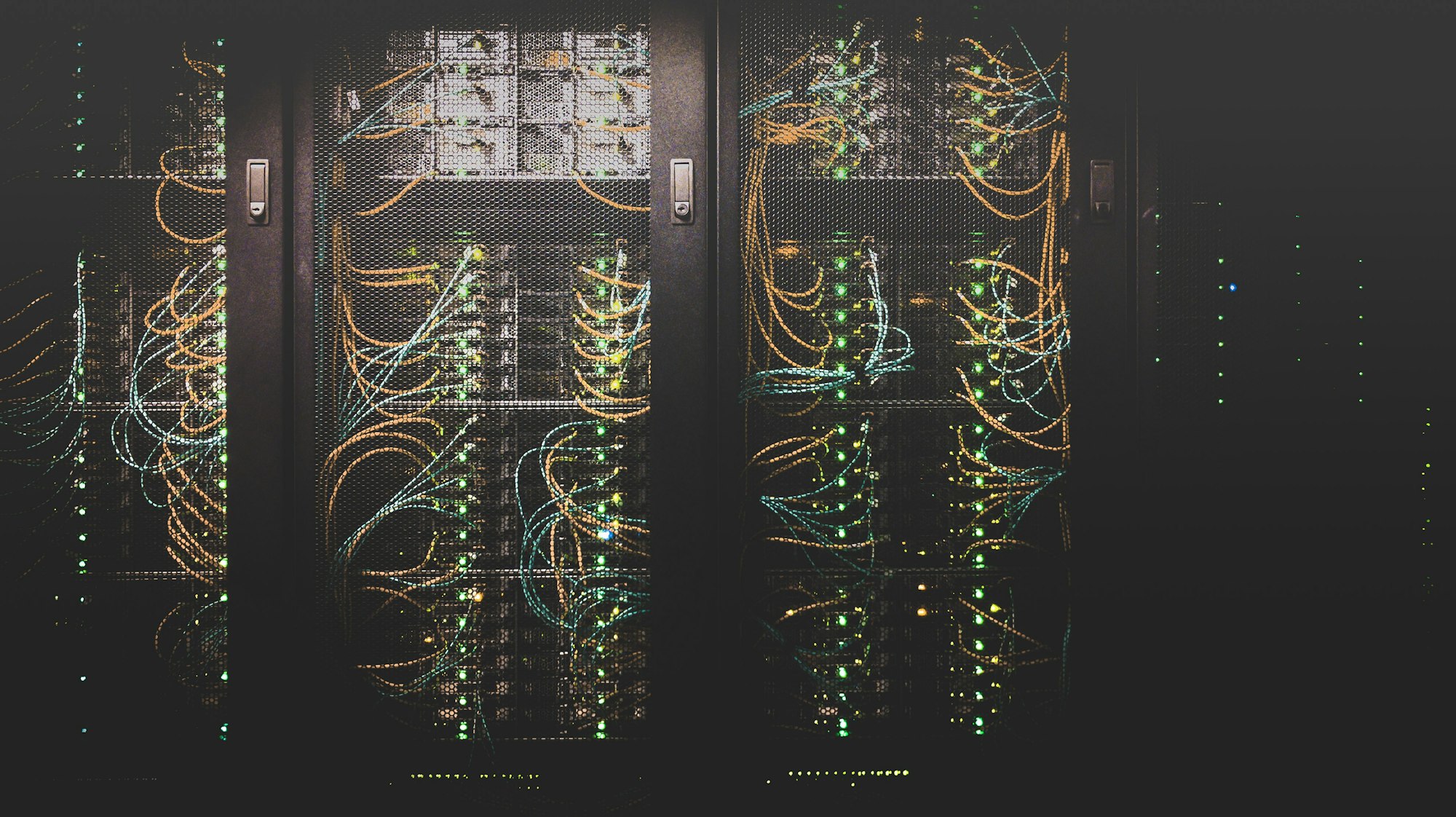
Photo: NASA, via Unsplash
The internet is about to shift from human-centric to agent-centric. Most of the digital infrastructure companies run today was built for a person: someone who clicks a button, waits for a page, and moves through a UI.
Behind that surface, a different kind of traffic is already forming. Autonomous AI agents are starting to talk to platforms the same way people used to — except they do not use browsers, they do not look at ads, and they do not pause between steps. They execute multi-step actions at machine speed.
If engineering treats that traffic like ordinary web users, the next operational crisis is not theoretical. It is a matter of volume, cost, and control.
What breaks first
Human traffic is bursty, slow, and visible. Agent traffic is persistent, recursive, and easy to mistake for a healthy API. The failure modes stack.

Do not build a wall. Build a gateway.
The answer is not to block agents. They will become a primary way businesses, tools, and customers reach you. Blocking them is a short delay. Governing them is the product.
The next architectural frontier is not only “building AI.” It is building the API infrastructure that lets external agents interact with the business safely and predictably: identity, schemas, rate limits, audit trails, and a clear split between human sessions and agent sessions.

What a ready stack actually looks like
- Authenticated agent identities — not a shared public key and a hope.
- Hard quotas and circuit breakers on recursive or fan-out calls.
- Payload contracts: what an agent may read, write, and chain.
- Separate analytics for people and agents, so product decisions stay honest.
- Logs you can replay when a loop, not a person, did the damage.
The businesses that open secure, structured channels for agentic traffic will take the next decade of internet commerce. The rest will crash under the weight of requests they never designed for.
How is your engineering organization adapting its API gateways for autonomous agents? That is the conversation worth having now — before the traffic arrives as a bill, an outage, or a distorted dashboard.