Search
When everyone can ship a website with AI, SEO and GEO decide who gets seen
September 7, 2026 · BytePresence
GPT-5.6 and tools like it make a decent site cheap. That does not make you visible. It floods the index. The businesses that win will need sharper SEO and GEO — not another generated homepage.

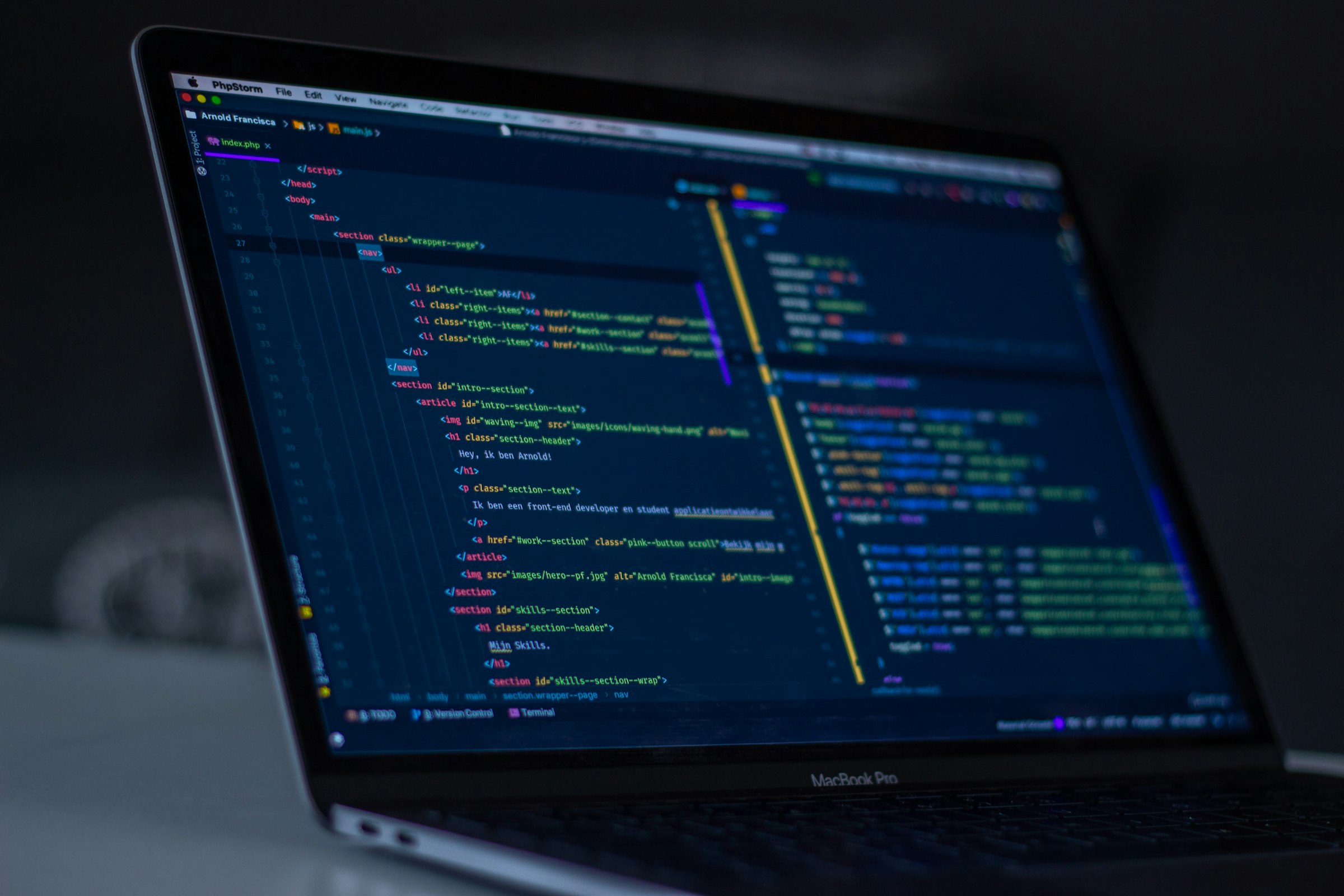
Photo: Firmbee.com, via Unsplash
Building a website used to be the expensive part. Designers, developers, weeks of back-and-forth. That barrier is collapsing. With models like OpenAI’s GPT-5.6 — ChatGPT’s current flagship line — a founder can sketch a site, generate copy, wire a layout, and publish something that looks “good enough” in an afternoon.
That is useful. It is also a visibility problem. When everyone can ship a site, the pool of pages grows faster than the pool of attention. Search engines and answer engines still have to pick sources. Our assessment is simple: you will need even better SEO and GEO to stay visible to real buyers in a flood of AI-generated websites and content.
What GPT-5.6 changes about “having a website”
GPT-5.6 is not magic marketing. It is a very strong drafting and building partner: clearer writing, better coding assistance, stronger computer-use style workflows than earlier ChatGPT models. Paired with site builders and agent tooling, it means a restaurant, a clinic, a SaaS side project, and a competitor two cities over can all publish a polished presence without a studio on retainer.
So the competitive question is no longer “Do we have a website?” Almost everyone will. The question becomes: whose site gets retrieved, trusted, and chosen when a person — or a model acting for them — is deciding who to recommend?
A generated homepage with generic hero copy does not answer that. Ten competitors with the same generated homepage make the problem worse. Homogeneity is how you disappear into the average answer.
How SEO ranking still affects your website
SEO is still the gate to the index. Generative search features sit on retrieval. If Google cannot crawl you, cannot index you, or will not show you for the query, you are not a candidate for the overview. Same idea for other engines that lean on their own crawls or Bing-like indexes.
In a denser web of AI pages, ranking pressure goes up:
- Technical floor rises. Slow, blocked, or JavaScript-only offers fall behind sites that are crawlable and fast by default.
- Intent match gets stricter. Thin “AI blog” posts that restate what the model already knows do not earn a durable position.
- Proof becomes a ranking asset. Named authors, case detail, reviews, local reality, and unique media separate a real operator from a prompt farm.
- Internal structure matters. Clear service pages, pricing honesty, and paths to contact beat a single generated landing that tries to say everything.
SEO does not get replaced by AI. AI increases how many sites compete for the same queries — which makes classic SEO hygiene and differentiation more valuable, not optional.

How GEO ranking affects you when the click never happens
GEO — generative engine optimization, or “be the source the answer cites” — is not a new religion. It is SEO under thinner clicks. People ask ChatGPT, Perplexity, Copilot, or Google’s AI surfaces. Many never open your URL. If you are not the brand or passage the system grounds on, you lose the shortlist before the visit.
That effect intensifies as AI-built sites multiply. Models prefer sources that look specific, consistent, and corroborated — not another paraphrase of the training set. GEO work that actually moves the needle:
- Direct answers under headings that match the question people ask.
- First-hand pages: how you delivered the work, what broke, what the numbers were.
- A coherent brand story on-site and off-site so the name is safe to recommend.
- Pages worth leaving the answer for: booking, pricing, proof, a next step.
Call it SEO or GEO. The job is the same: be retrieveable, be trustworthy, be useful after the citation.
The future pool: easy websites, hard attention
Into late 2026 and 2027, expect more of this: agents that spin up sites, content calendars that never sleep, and competitors who refresh copy weekly because a model can. The cost of existing online keeps falling. The cost of being chosen does not.
That is why our stance is not “skip the website” and not “publish more AI pages.” It is: ship a site worth citing, then treat SEO and GEO as the ongoing system that keeps you in front of buyers while the noise floor rises. GPT-5.6 can help you draft and build faster. It cannot give you earned trust, crawl health, or a differentiated offer by default — and neither can the same model when your competitor uses it.
What to do if you already have (or just AI-built) a site
- Audit crawl and index: Search Console, sitemaps, canonicals, Core Web Vitals. Fix the floor first.
- Replace commodity sections with first-hand proof: work, process, numbers, named people.
- Align service and category pages to real queries — one clear job per URL.
- Write for people and extraction: headings that ask the question, answers nearby, honest next steps.
- Measure generative appearances and what sessions do after. Launch vanity is not a channel.
- Keep using AI as a draft tool. Publish only what meets a human editorial bar.
If you want a written look at what is blocking search on your domain, we offer a free SEO consultation. If you are deciding how to compete when every rival can ship a site overnight, talk to us about a program that treats SEO and GEO as one visibility system — not a one-time AI redesign.
Everyone will have a website. Fewer will be visible. That gap is where the work is.